How Baby Animals Learn to Survive
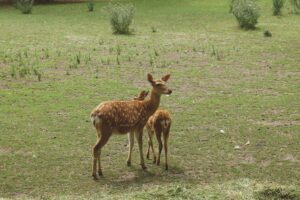
Every animal has a special way of teaching its babies how to live in the wild. Just like human children learn to walk, talk, and explore, baby animals also learn important skills. Some learn from their parents, some learn by copying others, and some learn by practicing again and again!
Let’s explore how different baby animals learn to survive.
1. Learning by Watching Parents
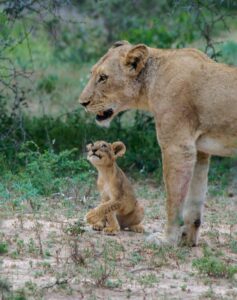
Many animals learn by simply watching their parents closely.
Monkeys and Apes
Baby monkeys watch their mothers to learn how to climb trees, find fruits, and stay safe from danger. They copy every move!
Tigers and Lions
Cubs watch their mothers hunt. At first, they only observe. Later, they try small jumps and gentle chasing to practice.
2. Learning by Playing
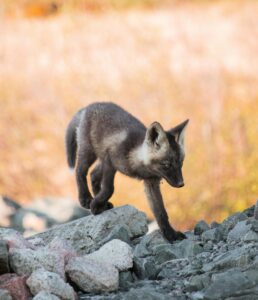
For many young animals, play is learning!
Puppies and Wolf Pups
When pups roll, chase, and bite softly, they are actually learning how to hunt and understand pack rules.
Baby Deer (Fawns)
Fawns play by jumping, running, and balancing. This helps them escape predators when they grow up.
3. Learning by Listening

Some animals learn important sounds from their parents.
Birds
Baby birds listen to their parents’ songs and slowly learn to sing the same tune. These songs help them communicate and find mates when they become adults.
Dolphins
Mother dolphins have special “signature whistles.” Baby dolphins remember and follow their mother’s whistle to stay safe in the ocean.
4. Learning by Following the Group

Animals that live in groups learn survival tricks from the whole family.
Elephant Calves
Baby elephants follow the herd and learn where to find water, how to use their trunk, and how to stay safe.
Meerkat Pups
Meerkats teach their pups step-by-step—first how to dig, then how to catch food. Adults even show pups how to safely handle dangerous insects!
5. Learning Instinctively (Born Knowing)
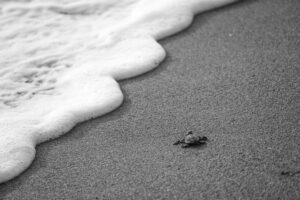
Some animals are born with built-in knowledge.
Turtles
Baby sea turtles know how to crawl toward the ocean right after they hatch—without anyone teaching them.
Butterflies
A butterfly never meets its parents, but still knows how to fly and find flowers!
Why Learning Matters

Learning helps baby animals:
Find food
Stay safe from predators
Live in their habitat
Grow strong and healthy
Every animal — big or small — has its own learning style. And just like kids, baby animals practice every day!
Simple Summary for Kids
Baby animals learn to survive by:
Watching their parents
Playing
Listening
Following the group
Using instincts they are born with
Every critter learns in a special way!