Butterfly Life Cycle: Simple Stages Explained for Kids and Parents
Introduction
The butterfly life cycle is one of the most fascinating processes in nature. From a tiny egg to a colorful flying butterfly, each stage is full of wonder and learning. This topic is perfect for kids, parents, and teachers because it combines science, storytelling, and curiosity about wildlife.
In this blog post, we will explain the butterfly life cycle in a simple, kid-friendly way.
What Is the Butterfly Life Cycle?
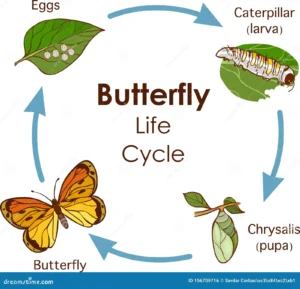
The butterfly life cycle is the series of changes a butterfly goes through as it grows. This process is called metamorphosis. A butterfly has four main stages in its life cycle.
Stage 1: Egg
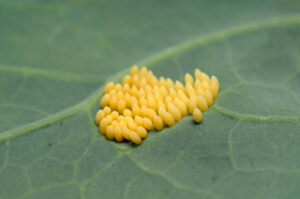
The life cycle of a butterfly begins with a tiny egg.
-
The egg is laid on a leaf by a female butterfly
-
Each butterfly species lays eggs on specific plants
-
The egg is very small and round or oval in shape
After a few days, the egg hatches.
Stage 2: Caterpillar (Larva)
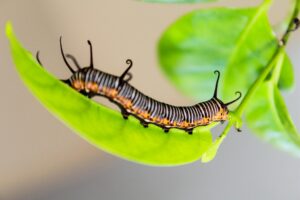
Once the egg hatches, a caterpillar comes out. This stage is also called the larva.
-
The caterpillar eats leaves almost all the time
-
Its main job is to grow fast
-
It sheds its skin several times as it grows bigger
This stage is important because the caterpillar stores energy for the next stage.
Stage 3: Chrysalis (Pupa)
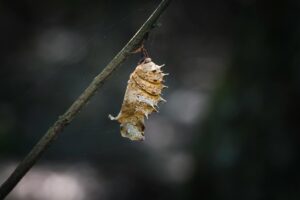
After growing enough, the caterpillar forms a chrysalis, also known as the pupa.
-
The caterpillar stays still inside the chrysalis
-
Inside, its body changes completely
-
Wings, legs, and antennae are formed
This stage may look inactive, but amazing changes are happening inside.
Stage 4: Adult Butterfly
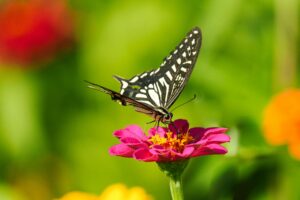
Finally, a beautiful adult butterfly comes out of the chrysalis.
-
The butterfly rests while its wings dry
-
Soon, it starts flying
-
Adult butterflies drink nectar from flowers
-
They lay eggs to begin the life cycle again
This completes the butterfly life cycle.
Why Is the Butterfly Life Cycle Important for Kids?
Learning about the butterfly life cycle helps children:
-
Understand nature and science
-
Learn about growth and change
-
Develop curiosity about wildlife
-
Improve observation skills
It is a popular topic in UKG, Class 1, and Class 2 science lessons.
Fun Facts About Butterfly Life Cycle
-
Not all eggs hatch at the same time
-
A caterpillar can grow 100 times its size
-
Butterflies taste food using their feet
-
Some butterflies live only for a few weeks
Conclusion
The butterfly life cycle shows how nature works in a beautiful and organized way. From egg to adult butterfly, every stage has a purpose. Teaching kids about butterflies makes learning science fun and meaningful.
Explore more wildlife learning topics on CrittersLibrary, where nature comes alive for curious young minds.