How Animals Use Camouflage to Stay Safe
Have you ever tried to spot a lizard on a tree or a moth resting on a wall? Sometimes, it feels like they disappear!This is because many animals have a clever trick called camouflage — a way to blend into their surroundings and stay safe from predators.
What Is Camouflage?
To begin with, camouflage is when an animal’s color, shape, or pattern helps it hide. It’s like wearing nature’s own costume because of this skill helps animals stay unseen by predators or sneak up on their prey without being noticed.
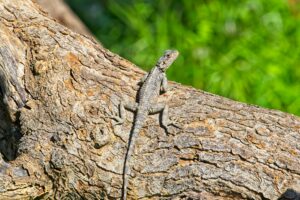
Different Ways Animals Camouflage
1. Color Matching
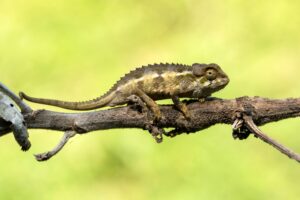
Chameleons can change their skin color to match leaves, branches, or rocks.
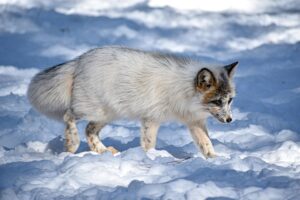
Arctic foxes have white fur in winter to blend with snow, and brown fur in summer to match the ground.
As you see,matching their surroundings help them stay hidden.
2. Patterns and Shapes
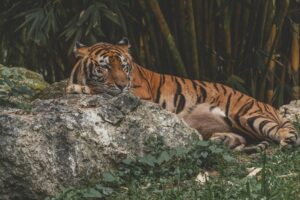
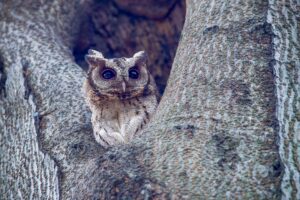
Tigers have stripes that break up their shape in tall grass.
Owls have mottled feathers that look just like tree bark.
Because of these patterns, predators often overlook them.
3. Mimicry
In addition, Some animals use mimicry.
This means they pretend to be something else!
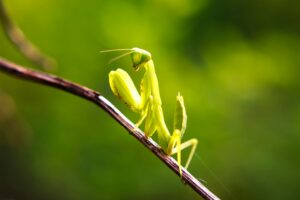

Stick insects look just like twigs.
Leaf-tailed geckos look like dead leaves on forest floors.
This clever disguise keeps them safe from hungry predators.
As a result,predators walk past them without noticing.
4. Changing with the Seasons
Finally, some animals change appearance with the seasons.
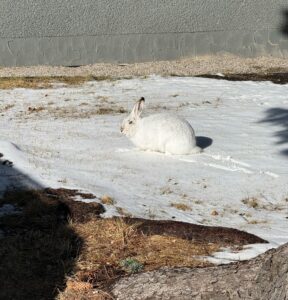
The snowshoe hare turns white in winter and brown in summer, staying hidden all year round.
This seasonal change allows hare to stay hidden all year long.
Why Is Camouflage Important?
Camouflage is important because it helps animals survive. It keeps them from being eaten and helps them hunt more easily. Overall it is one of nature’s best safety tools — silent, simple, and smart.
Try This at Home

Next time you go outside, look closely at your garden or park. Can you spot a butterfly that looks like a leaf, or a spider that matches the wall? If you observe carefully, you will find a many hidden creatures camouflage around you.