Snail vs Slug: What Is the Real Difference
Introduction
The snail vs slug difference is a common question many students and gardeners ask. At first glance, snails and slugs look almost the same. Both are soft-bodied creatures that move slowly and leave a shiny trail behind them. But what exactly makes them different?
1.Snail vs Slug Difference: The Shell Explained
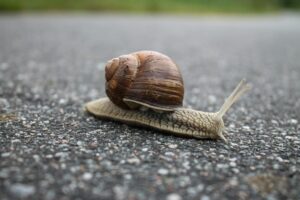
The most obvious difference between a snail and a slug is the shell.
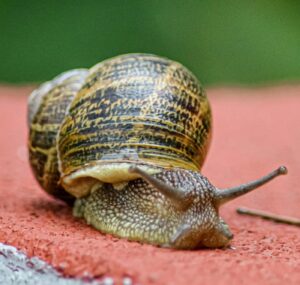
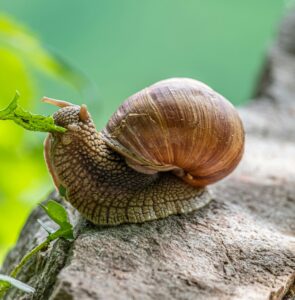
A snail has a visible spiral shell on its back.
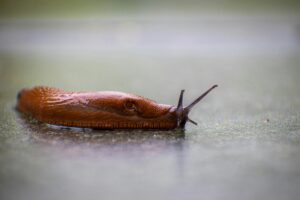
A slug does not have a large external shell.
For example, the common Garden snail carries a hard shell that protects its soft body.
Slugs either:
Have no shell at all
ORHave a very small internal shell hidden inside their body.
The shell helps snails:
Protect themselves from predators
Prevent water loss
Hide when they feel danger
Slugs do not have this strong protection, so they rely more on hiding and camouflage.
2. Are Snails and Slugs Related?
Yes! Snails and slugs are closely related.
Both belong to a group of animals called gastropods. They are not insects. They are soft-bodied animals related to clams and oysters.
So technically:
All slugs are a type of snail that evolved to lose their shell.
3. Body Structure Differences
Here are the main body differences:
Snail:
Has a spiral shell
Can pull entire body inside shell
Slightly more protected
Slug:
No large shell
Body looks longer and softer
Cannot fully hide from predators
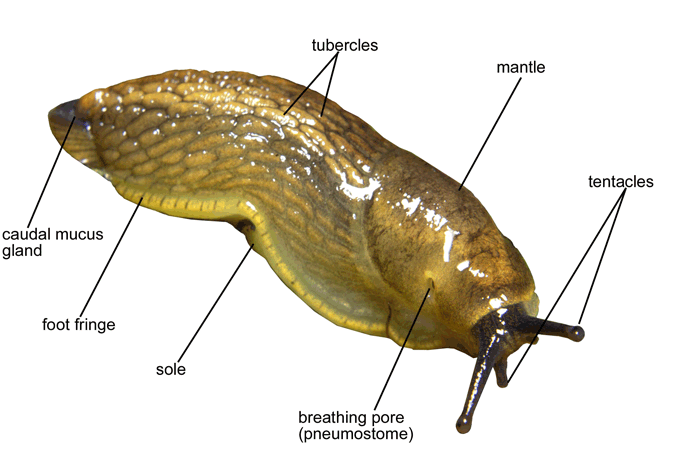
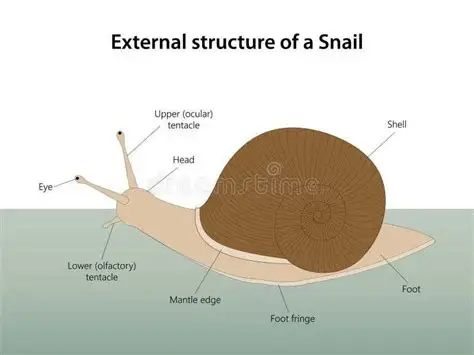
Both have:
Tentacles (eye stalks)
Muscular foot for movement
Slime-producing glands
Understanding the snail vs slug difference helps us learn how these animals survive in different environments.
4. Habitat Differences
Both snails and slugs love:
Moist environments
Gardens
Forest floors
Under rocks and leaves
However:
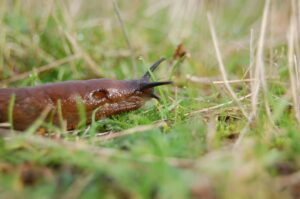
Snails can survive slightly drier areas because their shell protects them.
Slugs prefer very damp environments.
During hot weather, snails hide inside their shells to avoid drying out.Just like we explained in our guide about butterfly life cycles, small creatures play an important role in ecosystems and You can also read our article about ocean critters to learn more about different animal groups.
5. What Do They Eat?
Both snails and slugs are mostly herbivores.
They eat:
Leaves
Fruits
Vegetables
Decaying plants
This is why gardeners sometimes consider them pests.
But they are also important because they:
Help decompose dead plants
Recycle nutrients into soil
6. Predators and Survival
Snails have an advantage because of their shell.
Slugs must protect themselves by:
Producing extra slime
Hiding quickly
Being active at night
Animals that eat them include:
Birds
Frogs
Beetles
Hedgehogs
7. Why Snails and Slugs Are Important
Even though they move slowly, they play an important role in nature.
They:
Break down dead plants
Improve soil quality
Serve as food for other animals
Help maintain ecosystem balance
Without them, soil health would suffer. According to Britannica, gastropods are a diverse group of soft-bodied animals found worldwide.
Quick Comparison Table
| Feature | Snail | Slug |
|---|---|---|
| Shell | Large visible shell | No large external shell |
| Protection | Can hide inside shell | Relies on slime and hiding |
| Water retention | Better | Less |
| Appearance | Rounder shape | Longer body |
Frequently Asked Questions
1. Is a slug just a snail without a shell?
Yes, scientifically, slugs evolved from snails and lost their large shell over time.
2. Do slugs grow shells later?
No, they do not develop large shells as adults.
3. Which is faster, a snail or a slug?
Both are slow, but speed difference is very small.
4. Are snails and slugs harmful?
They are mostly harmless but can damage garden plants.
Interesting Fact
Some slugs still have tiny internal shell remnants inside their body — showing they evolved from shelled ancestors.
Conclusion
Snails and slugs may look similar, but the main difference is the shell. Snails carry a protective spiral shell, while slugs do not. Both are important members of the ecosystem and help maintain soil health.
Understanding small creatures like these helps us appreciate the balance of nature. In conclusion, the snail vs slug difference mainly comes down to the presence or absence of a shell.